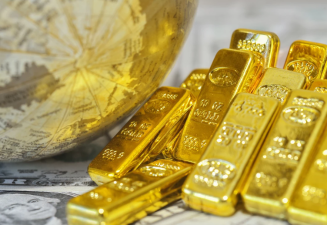
In today's complex and volatile economic environment, investors are always looking for assets that can preserve and increase their wealth amidst uncertainty. Gold, as a precious metal with a long history, is often regarded as a safe-haven asset. So, does the value of gold actually increase during periods of economic uncertainty? Historical data shows that gold often exhibits unique value during times of economic instability. For example, during the 2008 global financial crisis, the stock market plummeted, and many investors suffered significant losses. However, gold prices bucked the trend and rose during this period. At that time, the global economy was in recession, and investors, worried about the economic outlook, poured funds into the gold market, driving up gold prices. This shows that when economic uncertainty increases, gold, as a safe-haven asset, can attract investor funds, thereby increasing its value.
Reasons Behind Soaring Gold Prices
Increased Global Economic Uncertainty
Recently, the global economic situation has become complex and volatile, with many countries and regions facing problems such as inflation and slowing economic growth. Frequent adjustments to macroeconomic policies in major economies such as the United States and Europe have exacerbated market concerns about the future economic outlook. Against this backdrop, investors are seeking safe-haven assets, and gold, as a traditional safe-haven tool, naturally becomes the first choice.
Rising Geopolitical Risks
Tense geopolitical situations are also a significant factor driving up gold prices. In recent years, escalating geopolitical conflicts in the Middle East and Ukraine have exacerbated the global security situation. These uncertainties have further increased investor demand for gold.
Changes in Supply and Demand
From a supply and demand perspective, the supply of gold is relatively stable, while demand is constantly increasing. On the one hand, central banks around the world are increasing their gold reserves to diversify foreign exchange reserves; on the other hand, demand for gold jewelry from ordinary consumers is also growing. This imbalance between supply and demand has pushed up gold prices.
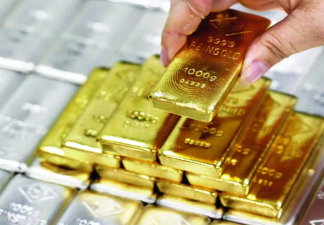
Expert Opinions and Market Outlook
Expert Opinions
Several financial analysts stated that the current rise in gold prices is mainly the result of a combination of factors. In the short term, gold prices may continue to remain high, but in the long term, changes in the global economic situation and geopolitical situation still need to be monitored.
Market Outlook
Although gold prices have already reached a record high, some analysts believe that there is still room for further price increases. Especially amidst heightened global economic uncertainty, gold's status as a safe-haven asset will become even more prominent. Therefore, investors should closely monitor market dynamics and allocate assets rationally to mitigate potential risks.
Conclusion
The surge in gold prices not only reflects the complexity and uncertainty of the global economy but also demonstrates gold's unique value as a safe-haven asset. For ordinary consumers, facing rising gold jewelry prices requires rational consumption and avoiding blindly following trends. For investors, however, prudent judgment is essential to seize market opportunities and achieve wealth appreciation.
In the future, changes in the global economic situation and geopolitical landscape will continue to influence gold price trends. We anticipate a gradual recovery of the global economy and a return to stability in financial markets in the coming days.